ITIV AI Tech Blog | 2.5D·3D Vision Series — Session 6. ITIV CAM ·AI Guidance ·As an AI Agent to complete factory automation
Part 6 | ITIV CAM ·AI Guidance ·As an AI Agent to complete factory automation
good The hardware accurate prosecutor's If it is a starting point , a good AI solution The choice is factory automation completion It is a condition .
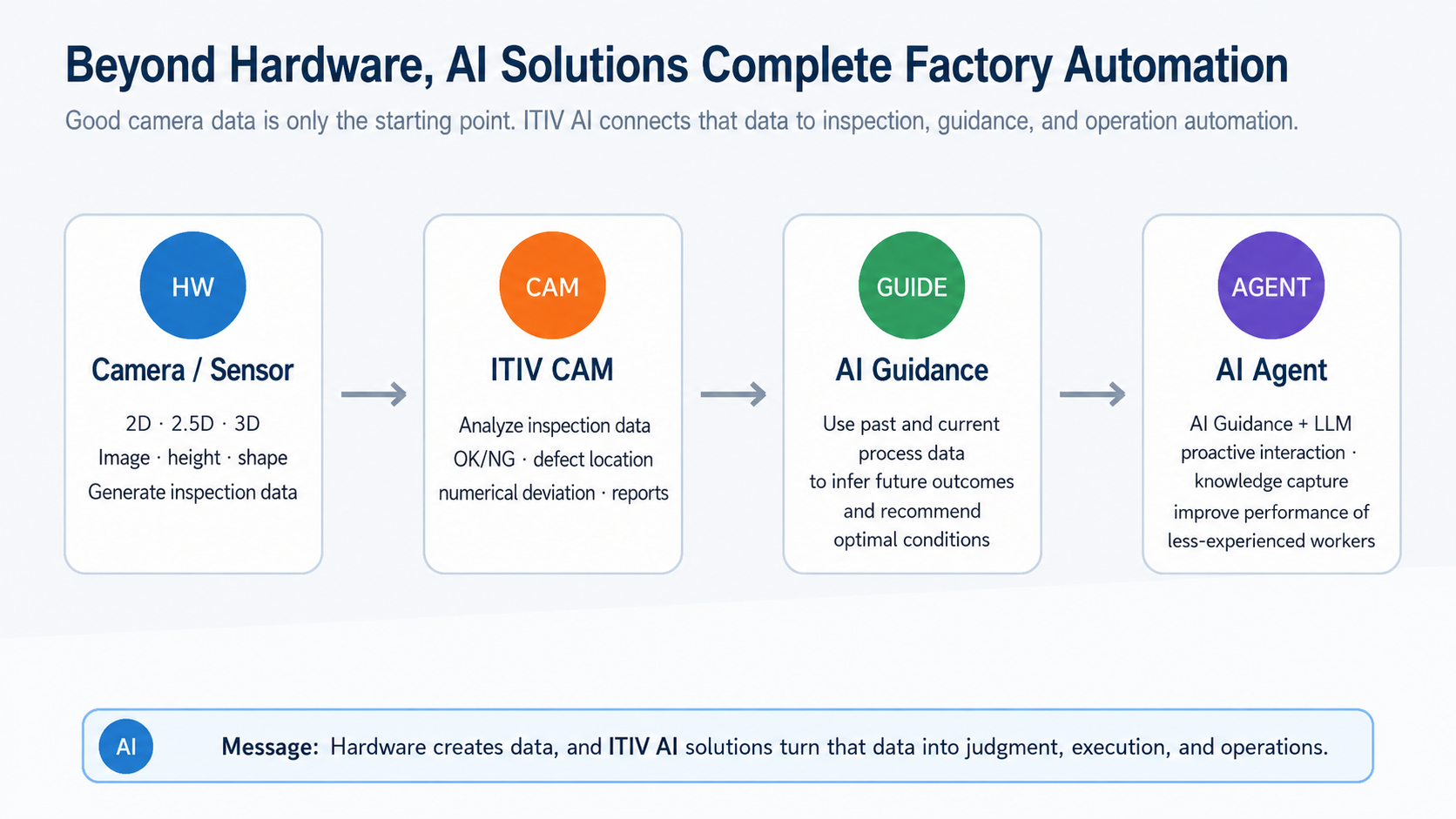
Figure 1. Factory automation completed with AI solutions, going beyond hardware.
3-Second Summary
- Cameras create high-quality inspection data / 2D, 2.5D, and 3D cameras capture defect, surface, height, and shape information for AI inspection.
- ITIV AI transforms data into decisions and predictions / ITIV CAM performs quality inspection, while AI Guidance uses past and current process data to infer future outcomes.
- AI Agent improves operational efficiency / By combining AI Guidance with LLM technology, it helps less-experienced workers make expert-level operating decisions.
Camera selection is the beginning, and SW solution selection completes automation.
In the previous episode, we explained that 2.5D cameras make surface defects more visible, and 3D cameras measure height and shape numerically. However, having good data does not mean that an automated system can be completed immediately.
Cameras generate data, and software solutions transform that data into decision-making results and actionable commands. Therefore, customers must consider not only hardware specifications but also the software capabilities that connect data analysis, AI judgment, field execution, and operational management.
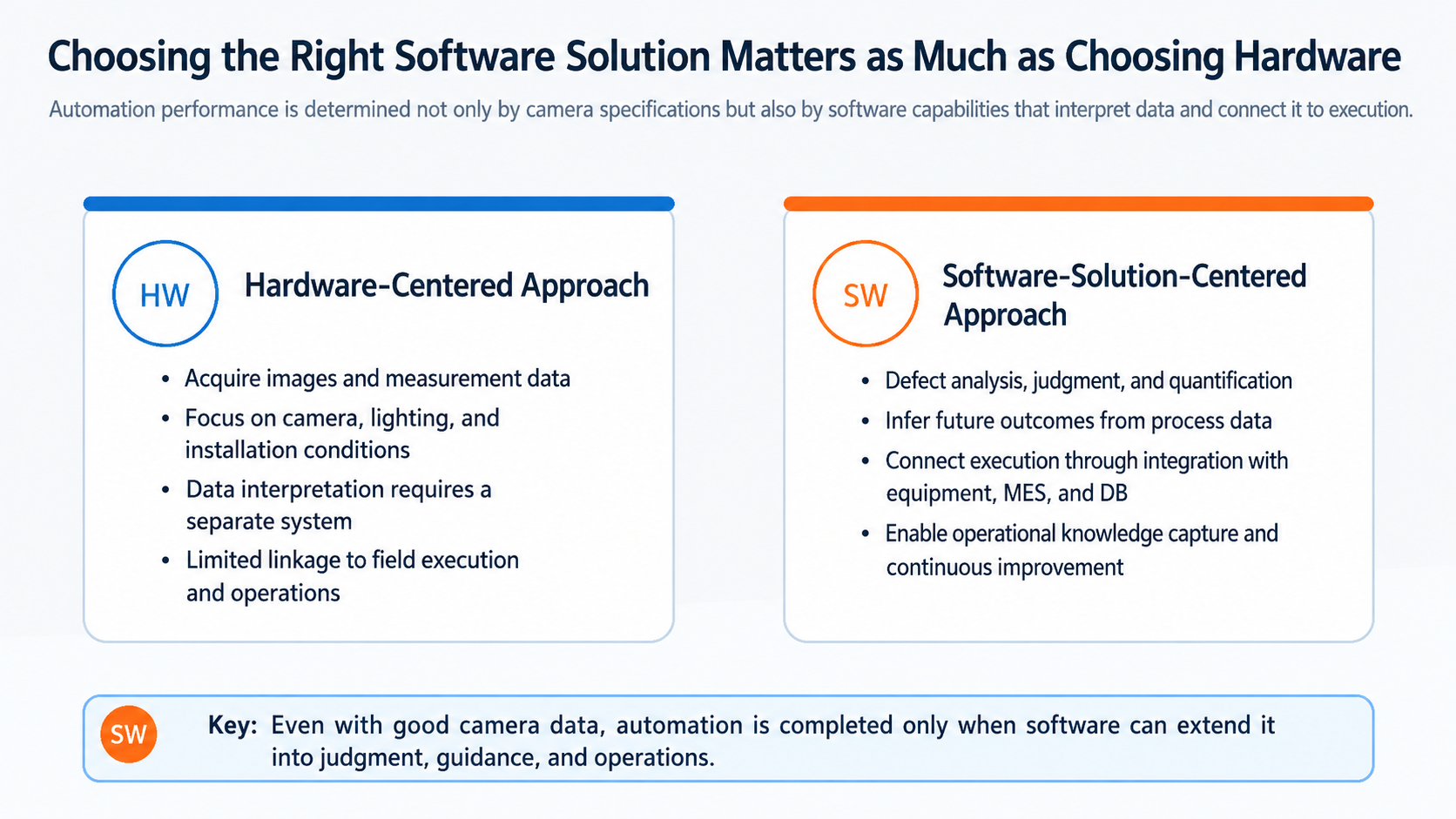
Figure 2. Why selecting a SW solution is as important as selecting hardware
ITIV AI 3 Major Solution Structure
ITIV AI's approach to factory automation is not a mere list of individual functions, but a flow where data leads to decision-making and operational knowledge. ITCAM analyzes inspection data, AI Guidance infers future outcomes by utilizing past and present process data, and AI Agents actively communicate with users by combining AI Guidance with LLM technology.
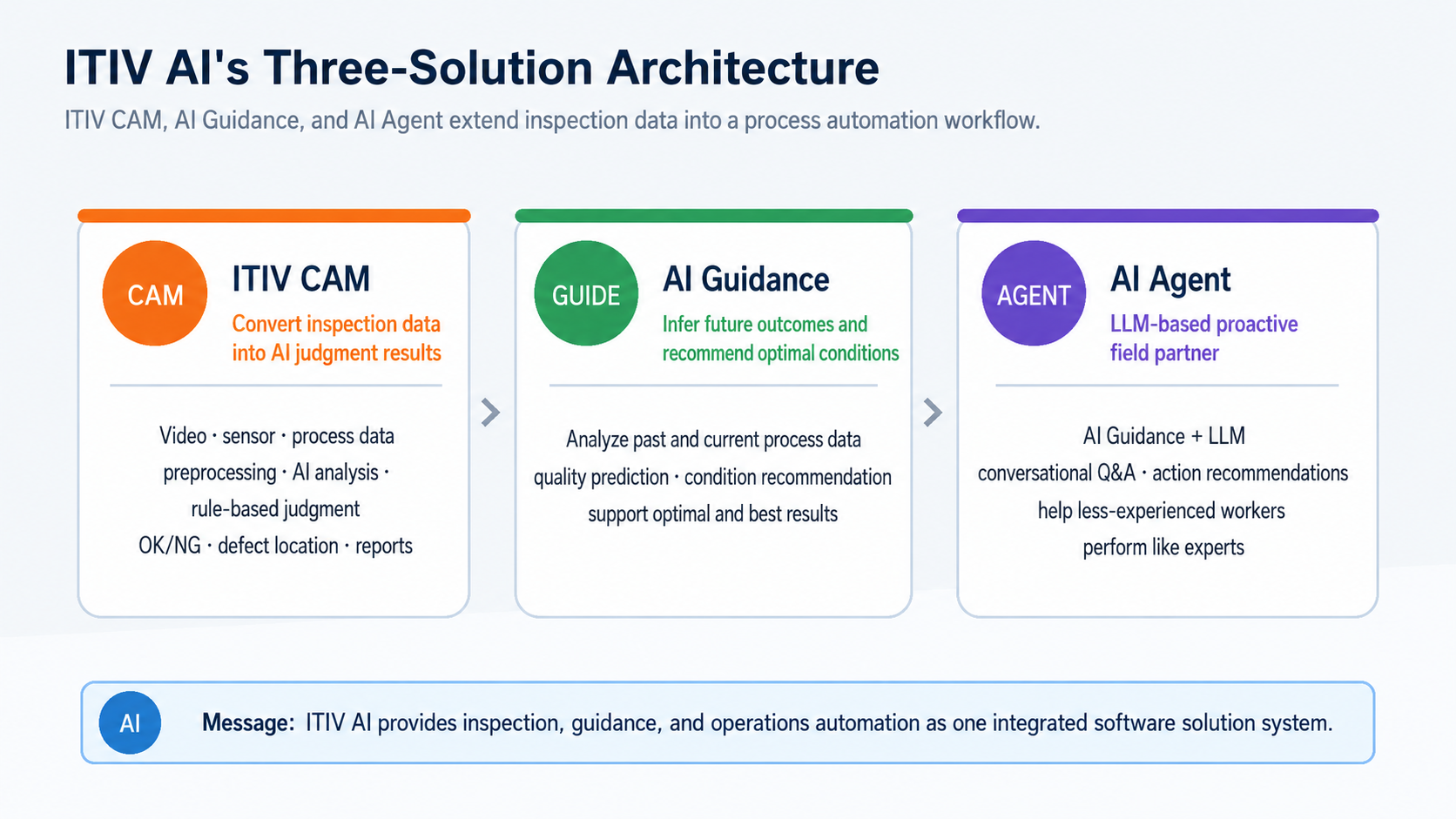
Figure 3. Structure of ITIV AI's 3 Major Solutions
ITIV CAM: Converts inspection data into AI judgment results
ITIV CAM is a sensor solution specialized for manufacturing sites that connects video, sensor, and process data to monitor site conditions in real time and detect anomalies more quickly. It is not merely image display software, but is responsible for generating quantitative data, monitoring equipment status, and providing AI-based visualization of site conditions.
- Input: 2D image, 2.5D channel image, 3D Height Map, Point Cloud, process sensor data
- Processing: ROI setting, channel selection, preprocessing, AI detection, classification, and segmentation , rule-based decision
- Output: OK/NG, Defect Location, Defect Type, Numerical Deviation, Inspection History, Quality Report
- Value: Standardization of inspection standards, reduction of worker deviation, accumulation of quality data, securing a basis for process feedback
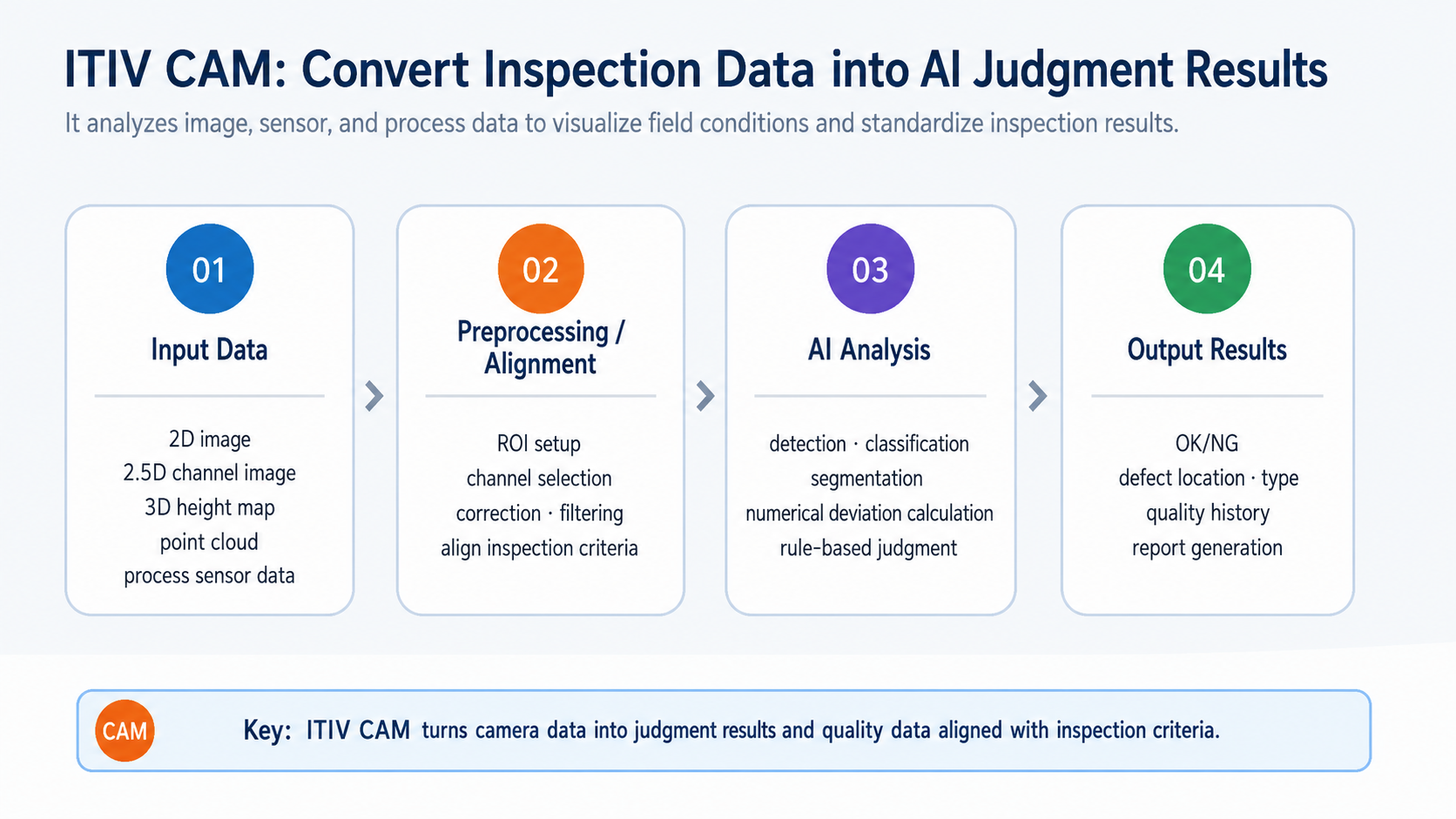
Figure 4. Sense-Understand-Respond structure of ITIV CAM
AI Guidance : Inferring future results from past and present process data
AI guidance is not merely instruction software that displays judgment results. It is a predictive decision support solution that analyzes accumulated historical process data, current equipment status, inspection results, and quality conditions together to infer future quality outcomes and potential anomalies.
In other words, AI guidance suggests which conditions can produce the optimal results in the current situation and helps workers and equipment operators make decisions that are always close to the optimal and best results. This reduces variability in on-site response, lowers quality differences based on skill level, and standardizes process operations .
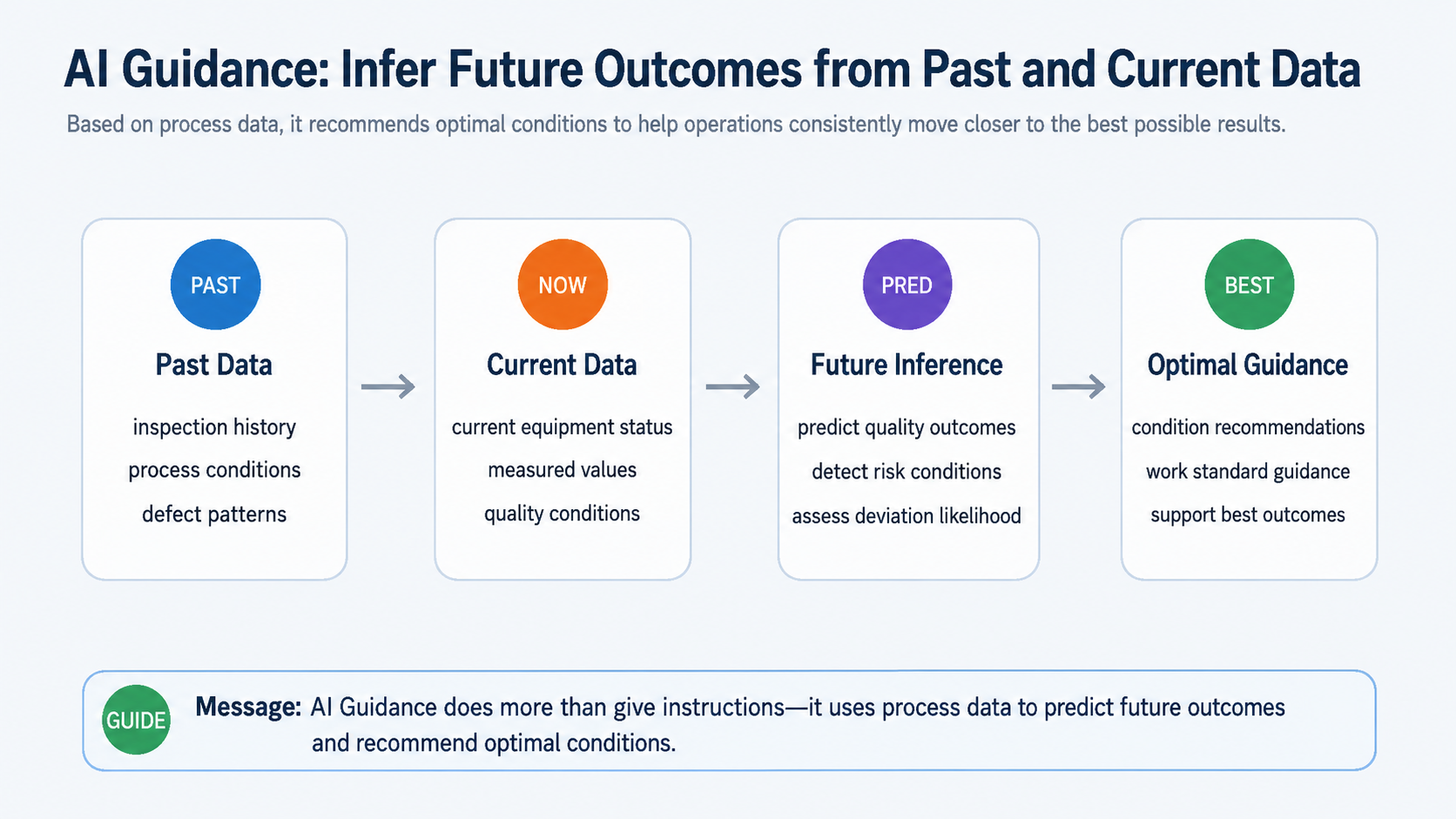
Figure 5. How AI guidance infers future results using past and present process data.
AI Agent: An active field partner combining AI guidance and LLM
The AI Agent is an active system that combines AI guidance solutions with LLM technology. Rather than being a passive system limited to simple inquiries or report verification, it actively communicates with the user to explain the current situation and propose necessary actions, grounds for decision-making, and relevant history.
The core value of AI agents lies in simultaneously enhancing operational efficiency and effectiveness. By utilizing AI agents, even low-skilled workers can make decisions similar to those of highly skilled individuals and interactively check defect types, trends, equipment status, inspection history, and areas for improvement without navigating complex menus. At this stage, the inspection system evolves into an intelligent partner that accumulates operational knowledge and complements on-site capabilities.
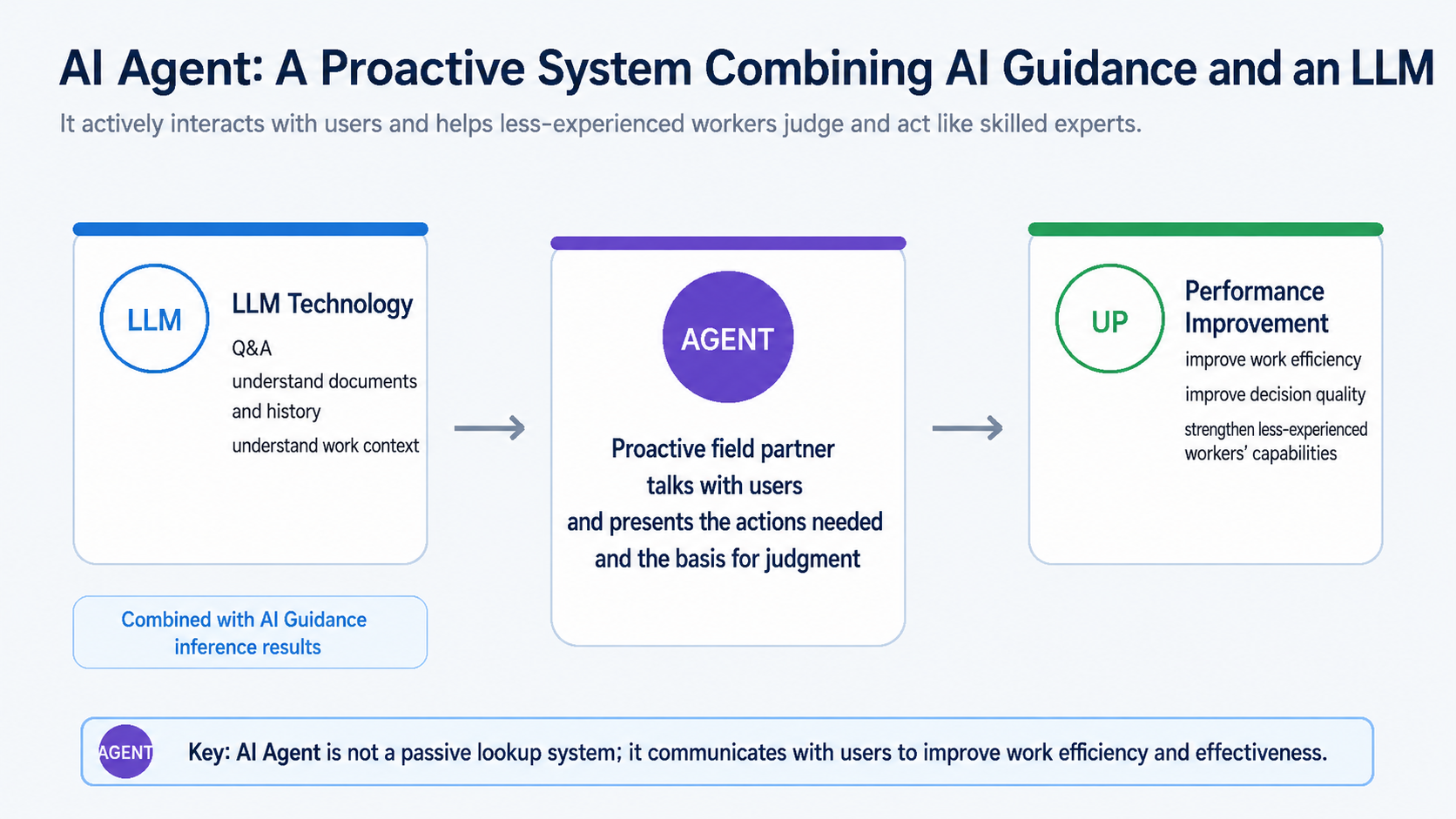
Figure 6. How an AI agent combines AI guidance and LLM to improve work efficiency
Application Flow in Automotive QC/QA
In automotive QC/QA, the required data and automation operations vary for each inspection item. Connector pins require re-inspection, discharge, and assembly correction based on height and positional deviations, while EV battery welding requires line alarms and history storage based on defect location and shape measurements.
it extends to actual process improvement and automated operations by connecting ITIV CAM's judgment, AI guidance's predictions and optimal condition suggestions, and AI agents' active operational support.
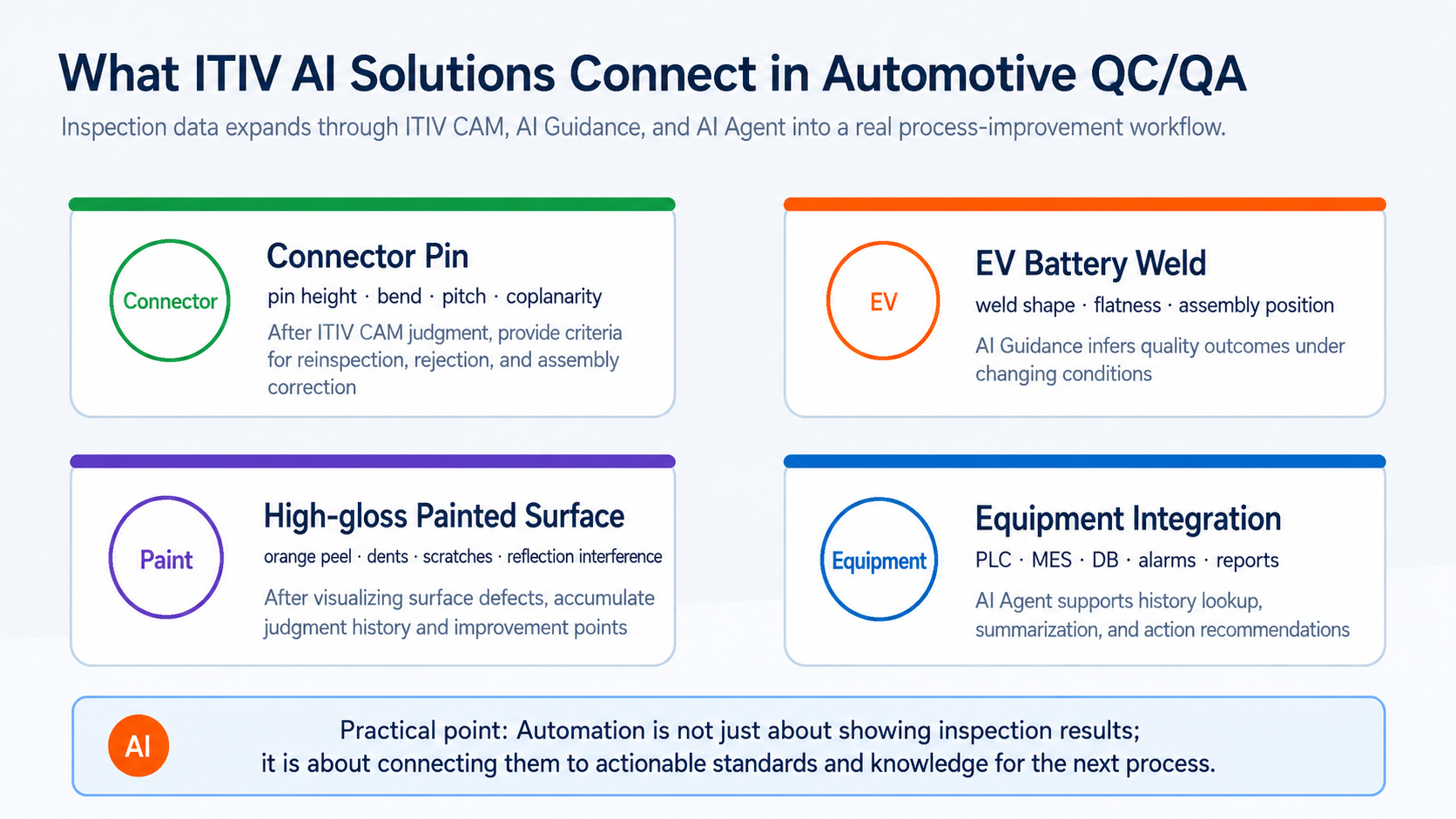
Figure 7. What the ITAI solution connects in automotive QC/QA
Before implementation, you must consider both hardware and software automation requirements.
Before implementing an automation system, you must review not only camera specifications but also inspection objectives, data formats, speed and precision, integration targets, operating methods, and software scalability. Once these conditions are established, the scope of the PoC and the scale of investment can be reduced.
- Inspection Objective: Define what constitutes a defect and what values to manage. Determine the input values required for AI judgment among 2D, 2.5D, and 3D
- Site Conditions: Review Tact Time, FOV, Lighting, Installation Space, and Tolerances
- SW Integration: Define the scope of automation for PLC, equipment, MES, DB, alarms, and reports. Considering the possibility of extending from ITCAM to AI Guidance and AI Agents
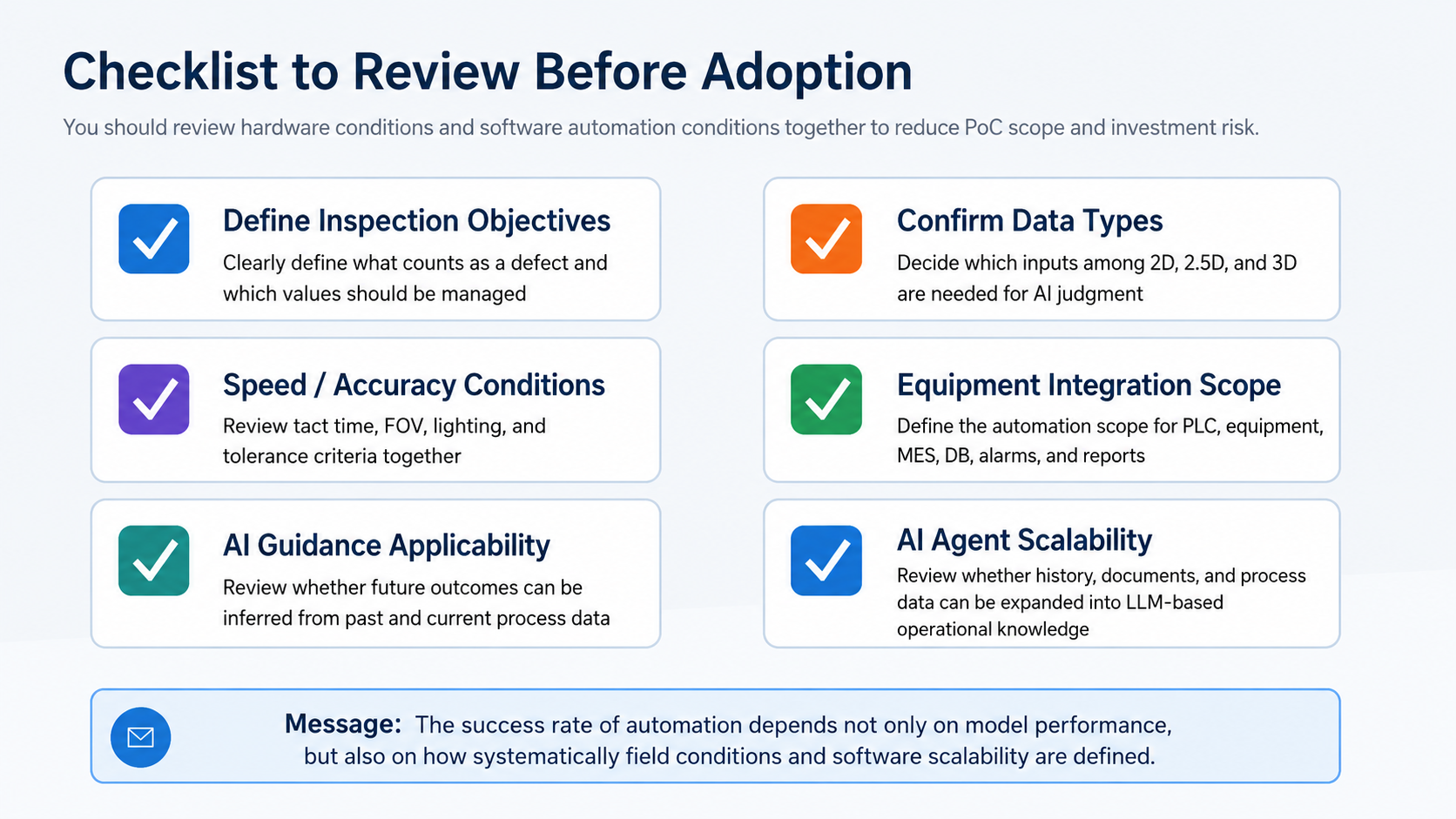
Figure 8. Checklist to check before implementation
Wrap-up: With IT AI, everything from inspection to operations is connected.
2.5D and 3D cameras generate good inspection data. However, the performance of factory automation depends on how that data is interpreted, which conditions will lead to optimal future results is inferred, and how it is accumulated as operational knowledge.
ITAI connects the stages following the acquisition of inspection data into a single flow through ITCAM, AI Guidance , and AI Agents. ITCAM transforms inspection data into judgment results, AI Guidance infers future results based on past and present data, and AI Agents enhance work efficiency and effectiveness through LLM-based communication.
Ultimately, what customers need to adopt is not simple camera equipment, but a software-centric integrated solution where inspection data leads to prediction, judgment, and operational automation. The hardware generates the inspection data, and IT AI completes that data into a factory automation solution.